Innovative Tablet Case Development: Behind the Scenes


Introduction to Innovative Tablet Case Development
In the world of technology, tablet cases have become as essential as the devices they protect. The journey from concept to product involves creativity, research, and a dedication to quality. This blog post explores the fascinating process behind the scenes of innovative tablet case development.

Understanding Consumer Needs
The first step in developing a groundbreaking tablet case is understanding what consumers truly need. Designers conduct comprehensive market research, gathering insights into user preferences, pain points, and emerging trends. This data-driven approach ensures that the final product not only meets but exceeds consumer expectations.
Focus groups and surveys are commonly used to gather feedback. Consumers often seek cases that offer a balance between protection, aesthetics, and functionality. These preferences drive the design and material selection processes.
Design and Prototyping
Once the research phase is complete, the design team begins sketching ideas and creating digital models. CAD software plays a crucial role in visualizing the concepts. Designers experiment with different shapes, textures, and colors to create a unique product that stands out in the market.

Prototyping is the next vital step. Using 3D printing technology, teams can quickly produce prototypes to test and refine their designs. This iterative process helps in identifying design flaws and making necessary adjustments before moving to mass production.
Material Selection
Choosing the right material is essential for creating a durable and stylish tablet case. Common materials include silicone, leather, and polycarbonate. Each material has its own set of properties that affect the case's flexibility, durability, and appearance.
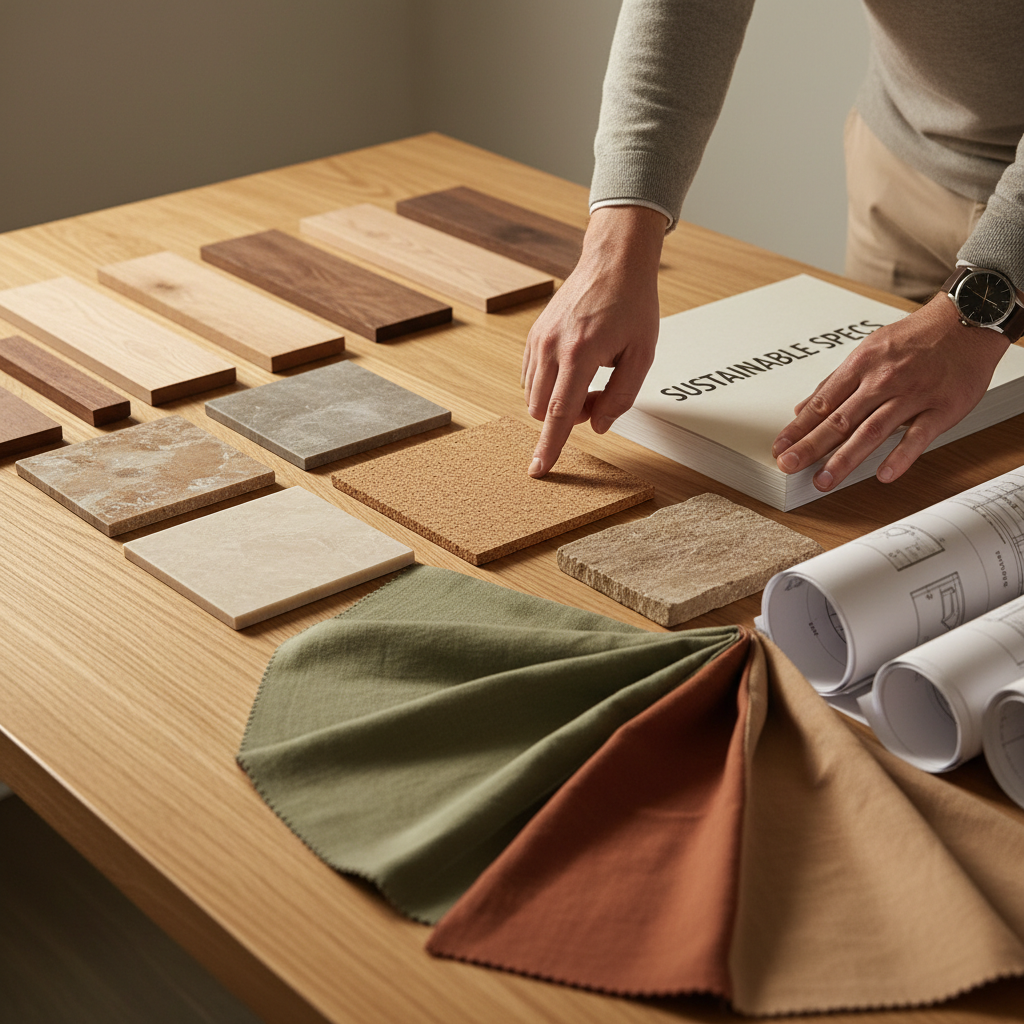
Eco-friendly materials are gaining popularity as consumers become more environmentally conscious. Sustainable materials not only reduce environmental impact but also appeal to a broader audience.
Production and Quality Control
Once the design and materials are finalized, the production phase begins. Advanced manufacturing techniques ensure precision and consistency in every piece produced. Automated systems streamline the assembly process, reducing the time from concept to market.
Quality control is a critical component of this phase. Rigorous testing ensures that each case meets the highest standards of protection and functionality. Drop tests, scratch tests, and temperature resistance assessments are part of this extensive evaluation.
Bringing the Product to Market
With production complete, the focus shifts to marketing and distribution. A successful launch involves strategic marketing campaigns, engaging content, and collaboration with influencers. These strategies help in building brand awareness and driving sales.

In conclusion, the development of an innovative tablet case is a complex process that combines creativity, technology, and market insight. By understanding consumer needs, designing with precision, selecting the right materials, and ensuring quality production, manufacturers can deliver products that truly resonate with users.