FAQs About Accessory Design and Development: Your Questions Answered


Understanding Accessory Design and Development
Accessory design and development is a fascinating field that combines creativity, functionality, and fashion. Whether you're interested in designing handbags, jewelry, or tech gadgets, understanding the basics is crucial. This post will answer some frequently asked questions about the process and intricacies involved in accessory design.
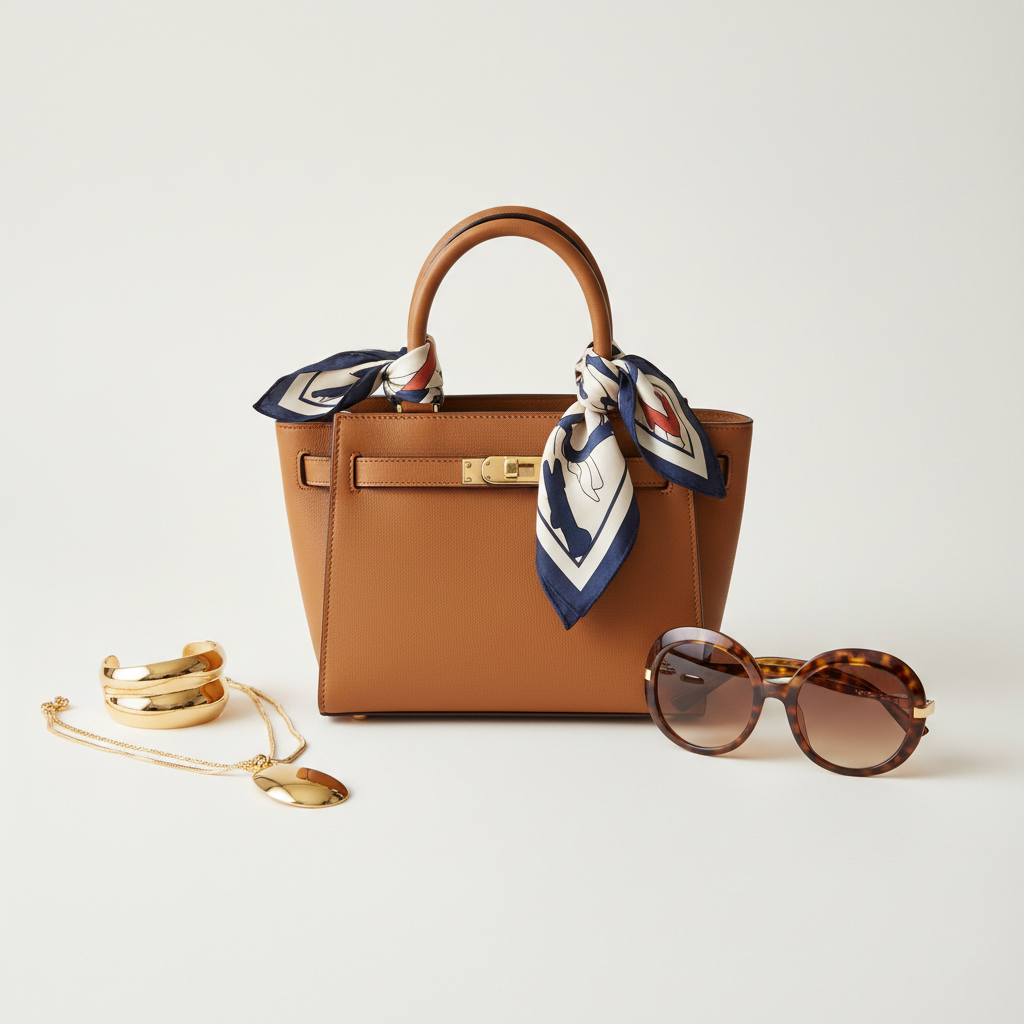
What Are the Initial Steps in Accessory Design?
The first step in accessory design is often research and inspiration. Designers gather ideas from various sources, including art, history, and current fashion trends. Once inspiration is gathered, the design process typically begins with sketching and conceptualizing the accessory's look and functionality. This stage is crucial for setting the foundation of the final product.
After conceptualization, designers create prototypes. Prototyping involves creating a sample of the accessory using different materials to test its design and functionality. This step allows designers to make necessary adjustments before moving into full production.
How Do Materials Impact the Design Process?
Materials play a significant role in accessory design. The choice of materials can affect the accessory's durability, appearance, and cost. Designers must consider factors such as texture, color, and flexibility when selecting materials. Additionally, sustainable and ethical material choices are becoming increasingly important in the industry.
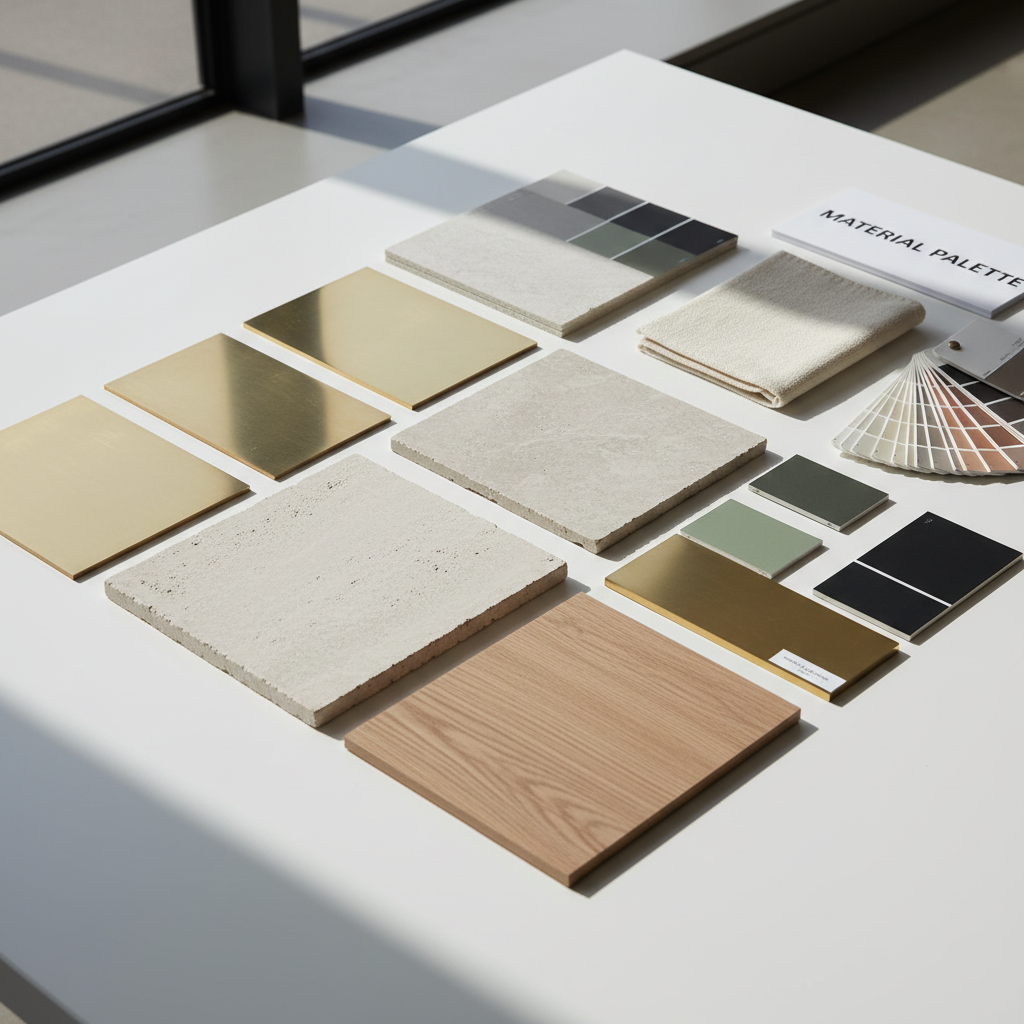
Working with different materials requires specialized skills and knowledge. For instance, creating leather accessories involves different techniques than designing with metal or fabric. Understanding these nuances is essential for producing high-quality items.
What Is the Role of Technology in Accessory Development?
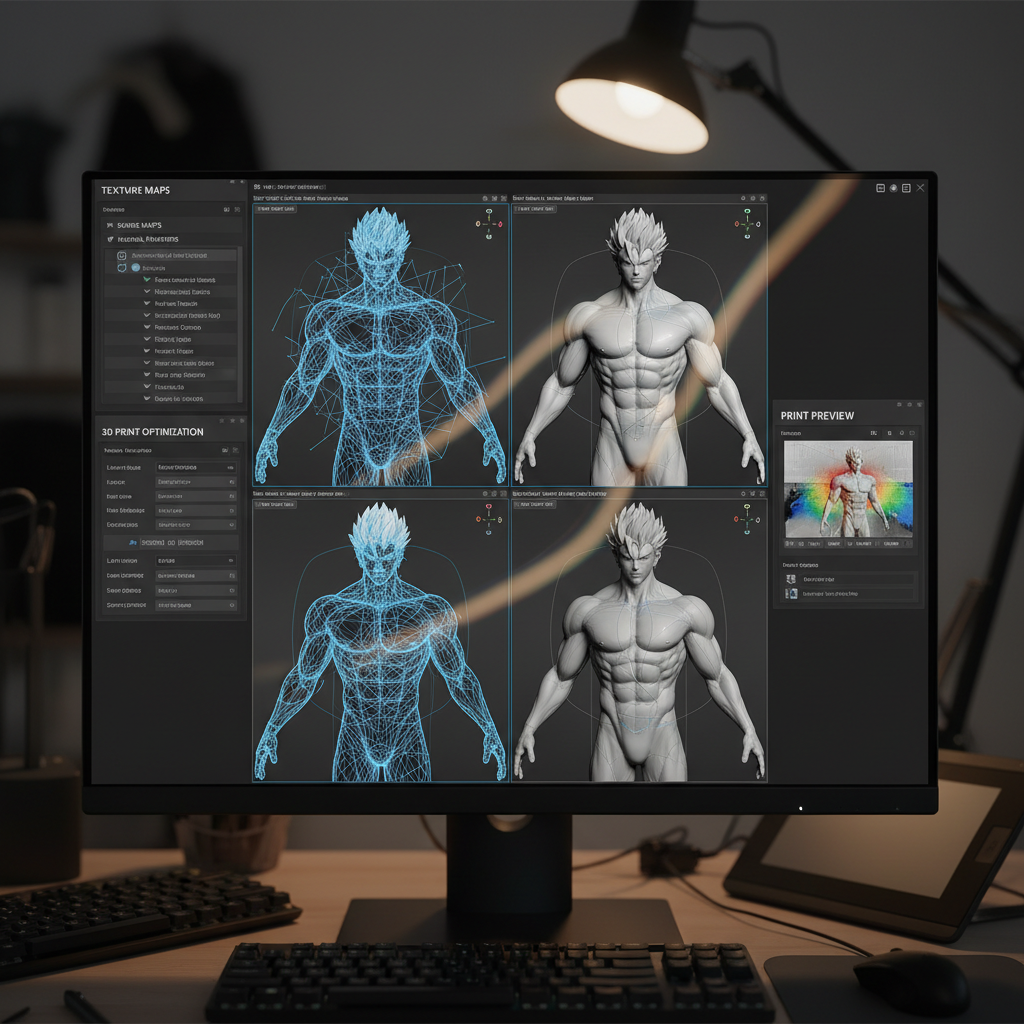
Technology has revolutionized the accessory design and development process. Software tools allow designers to create detailed 3D models of their designs, enabling them to visualize the final product more accurately. This technology also aids in refining designs and ensuring precision in measurements.
Furthermore, tech advancements like 3D printing have opened new possibilities for rapid prototyping. This innovation allows designers to quickly test ideas and make adjustments without the time and cost associated with traditional prototyping methods.
How Do Designers Ensure Quality and Functionality?
Ensuring quality and functionality is a critical aspect of accessory development. Designers conduct rigorous testing to ensure that the accessory is durable, comfortable, and meets user needs. Testing may include wear trials, stress tests, and feedback sessions with potential users.
Feedback from these trials is invaluable for making improvements. It helps designers understand user preferences and identify any potential issues before the accessory hits the market.
What Are the Latest Trends in Accessory Design?
Accessory design is constantly evolving, with trends shifting based on cultural influences and technological advancements. Currently, sustainability is a major trend, with designers focusing on eco-friendly materials and ethical production practices. Additionally, personalization and customization are gaining popularity, allowing consumers to have unique, tailor-made products.
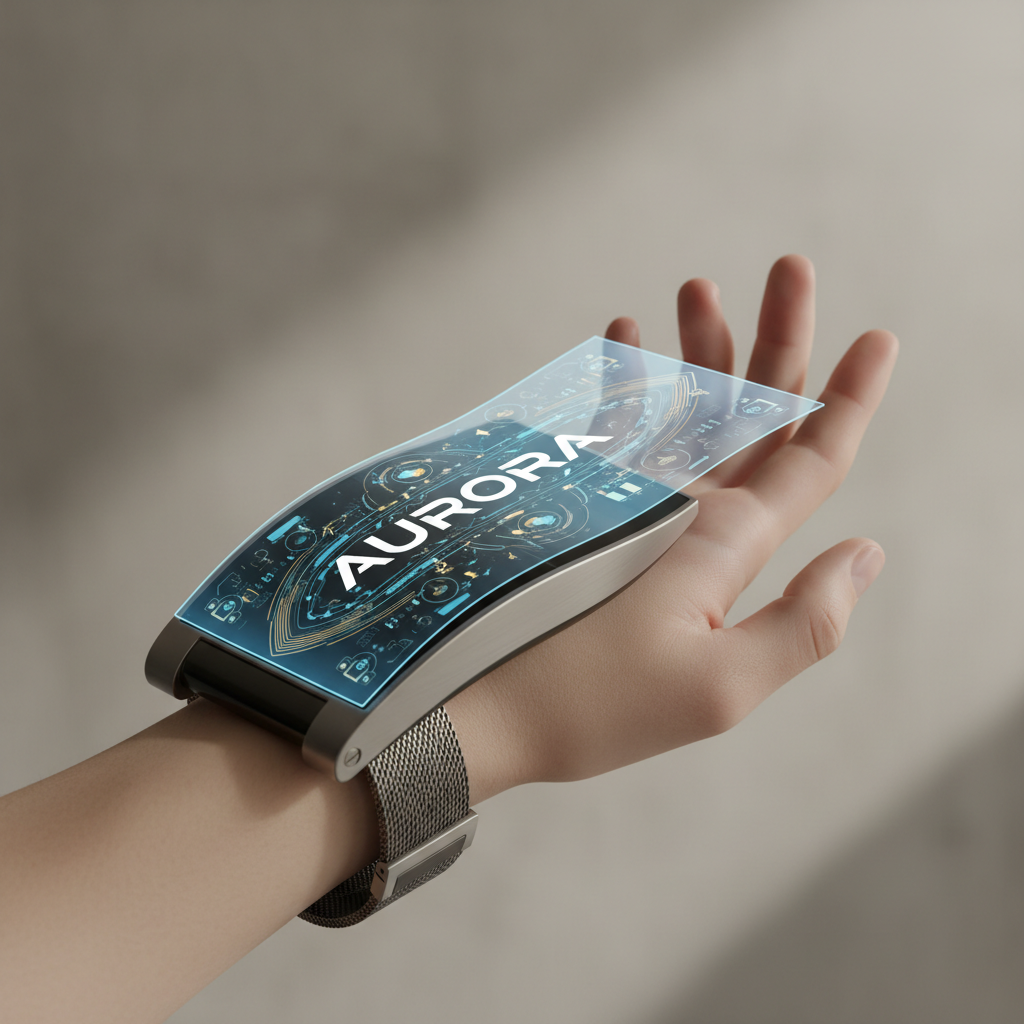
Another exciting trend is the integration of technology into accessories, such as smart jewelry and wearable tech. These innovations blend style with functionality, offering users enhanced experiences through their accessories.
By understanding these elements of accessory design and development, aspiring designers can better navigate this dynamic field. Whether you're looking to create statement pieces or functional gadgets, staying informed about the process and trends will help you succeed.