Exploring the Latest Trends in Accessory Design and Development


Understanding the Evolution of Accessory Design
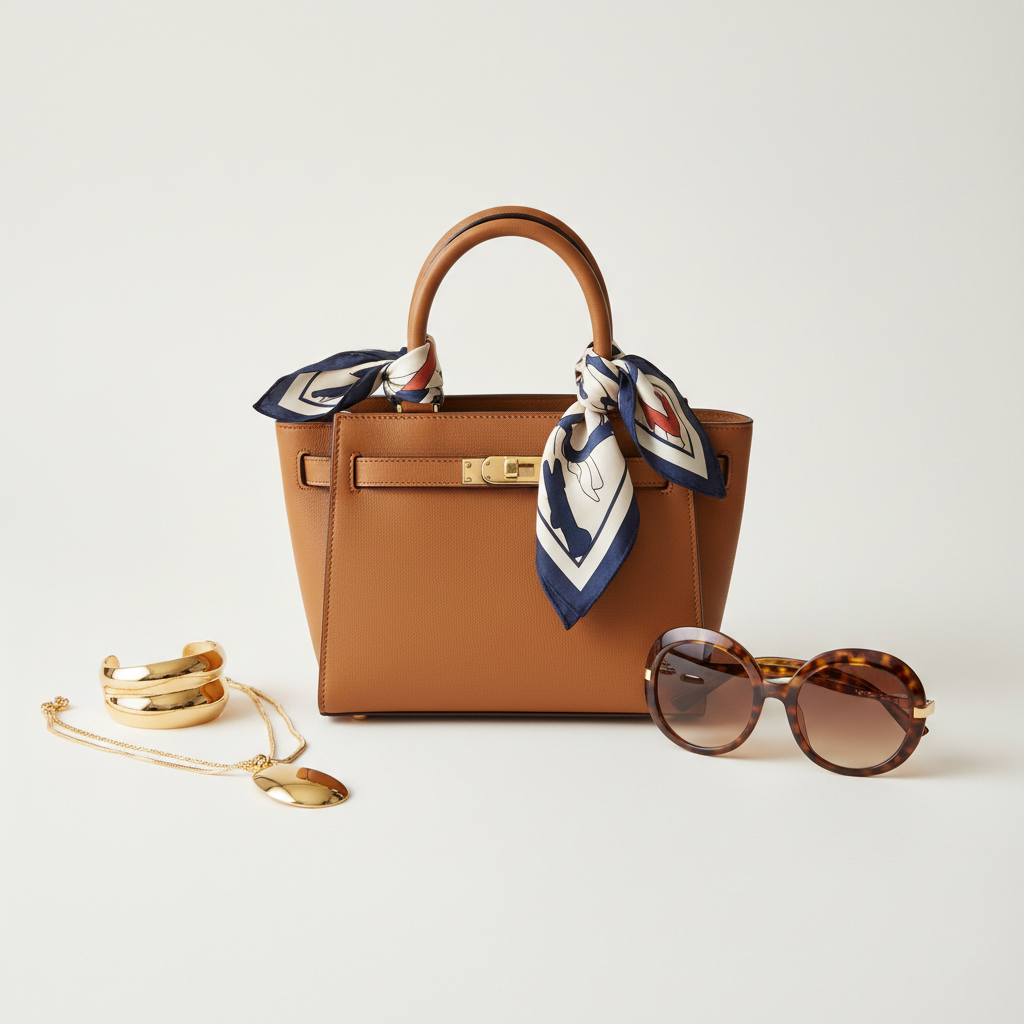
In recent years, the world of accessory design has seen a transformative shift, embracing both technological advancements and changing consumer preferences. From smartwatches to eco-friendly bags, accessories are no longer just about aesthetics; they have become an integral part of our lifestyle. Designers are now focusing on creating pieces that combine functionality with style, catering to a wide range of consumer needs.
Additionally, the rise of personalization has been a significant trend. Consumers are increasingly seeking unique, customized pieces that reflect their personal style and identity. This demand has led to the increased use of digital platforms, allowing customers to tailor designs to their liking.
The Influence of Technology on Accessory Development
Technology has played a pivotal role in shaping the current landscape of accessory design. Wearable technology, for instance, has become a prominent category, integrating everyday objects with technological functionality. Smart glasses, fitness trackers, and even rings with health-monitoring capabilities are now more common than ever.
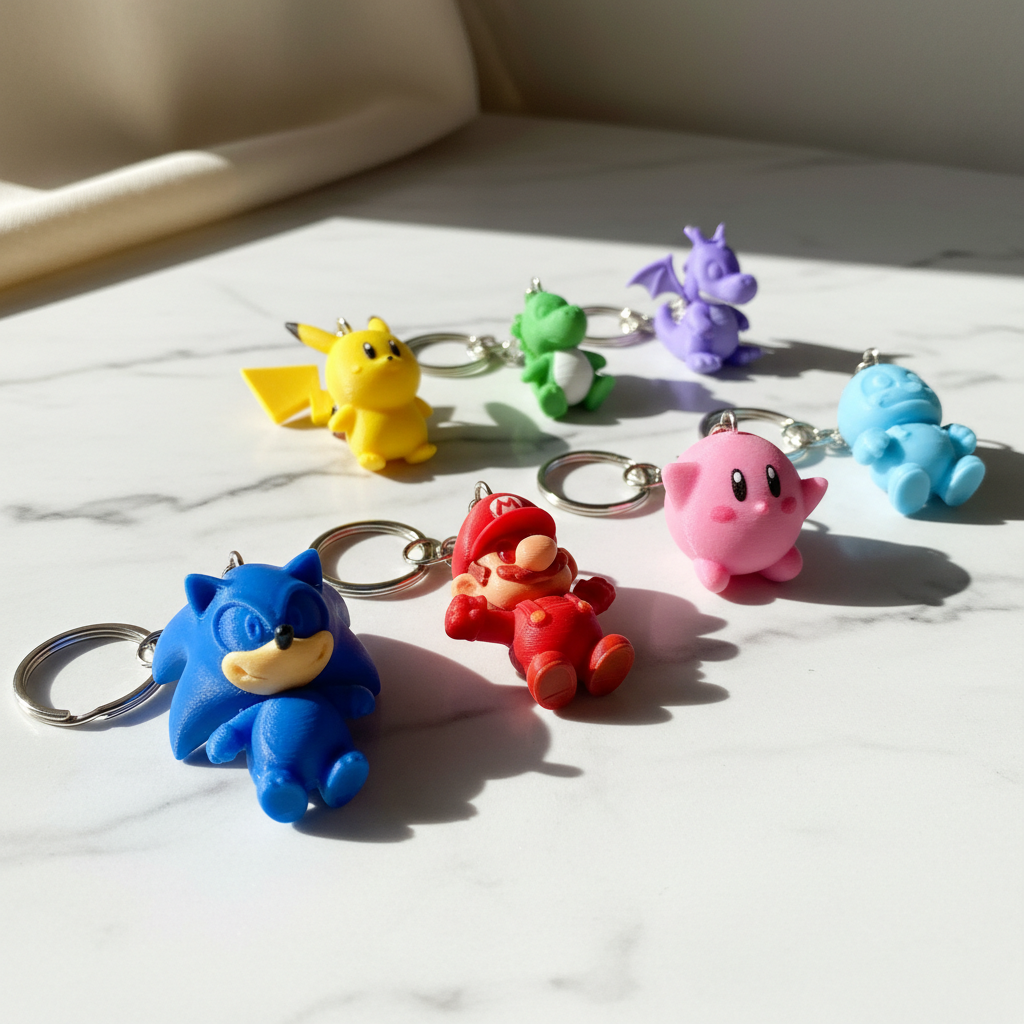
Moreover, 3D printing technology has revolutionized the production process, allowing designers to experiment with intricate patterns and structures that were previously impossible to achieve. This innovation not only streamlines production but also reduces waste, aligning with the growing trend of sustainable fashion.
Sustainability: The New Standard
As awareness of environmental issues grows, sustainability has become a core principle in accessory design. Consumers are demanding ethical practices, prompting designers to use recycled materials, organic fabrics, and environmentally friendly processes. This shift is encouraging brands to be more transparent about their sourcing and manufacturing practices.
Additionally, many companies are adopting circular design principles, creating products intended for longevity and recyclability. This approach not only benefits the environment but also enhances brand loyalty among eco-conscious consumers.
The Rise of Minimalism
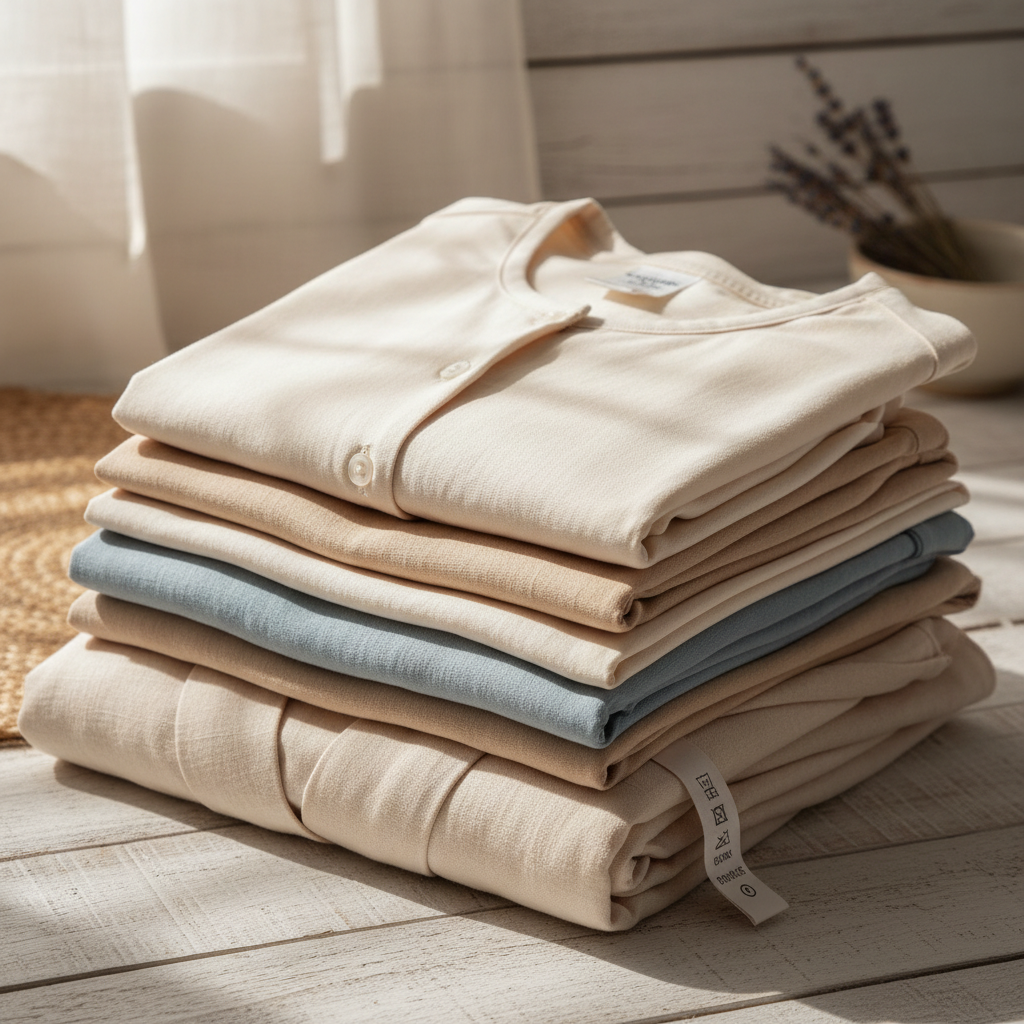
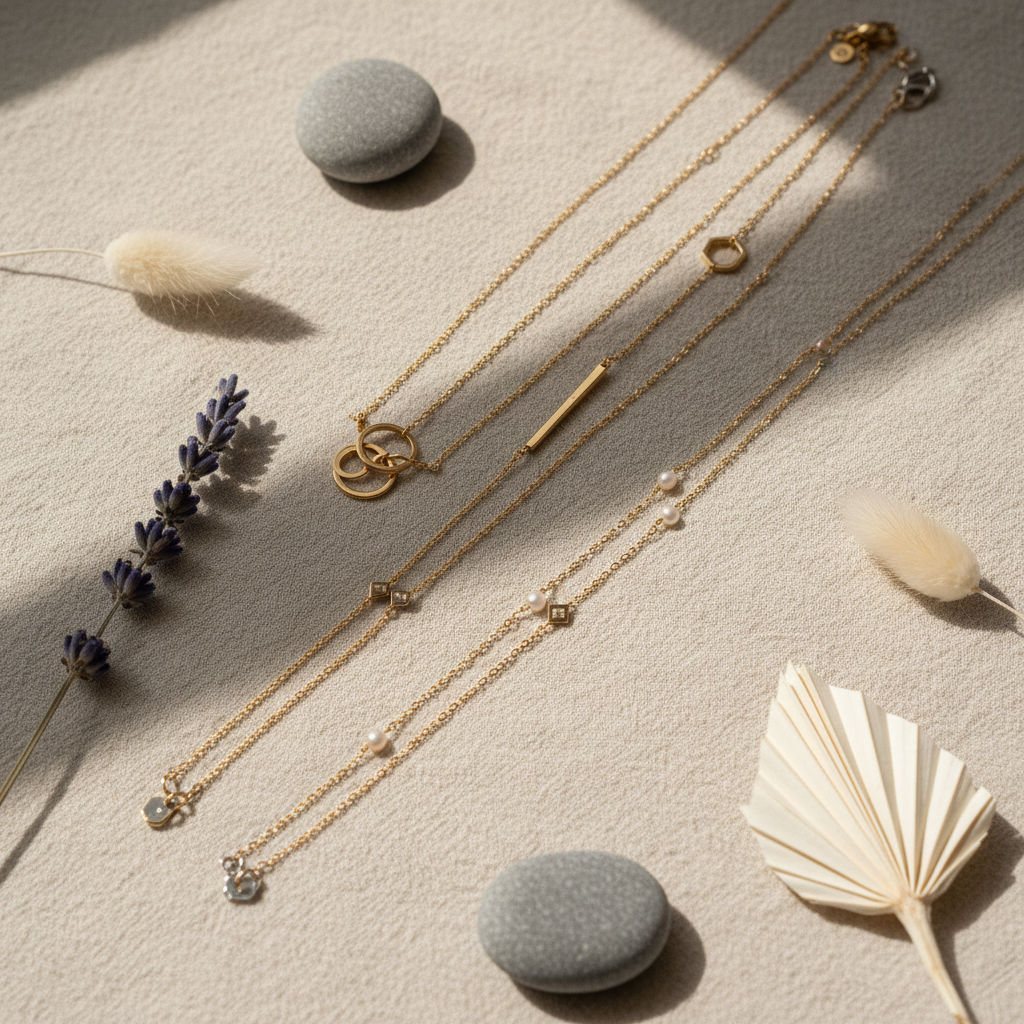
Minimalism in accessory design is gaining traction, focusing on simplicity and functionality. This trend emphasizes quality over quantity, encouraging consumers to invest in timeless pieces that complement various styles and occasions. Minimalist designs often feature neutral colors and clean lines, creating versatile accessories that are easy to pair with any outfit.
This movement is not just about aesthetics; it also reflects a broader cultural shift towards mindful consumption, where owning fewer, high-quality items is valued over accumulating numerous, lesser-quality goods.
Conclusion: The Future of Accessory Design
The future of accessory design is poised to be exciting and dynamic, driven by a blend of innovation and sustainability. As designers continue to explore new materials and technologies, the possibilities are endless. The integration of smart features, along with a commitment to eco-friendly practices, will likely define the next decade of accessory development.
In conclusion, the accessory industry is undergoing a significant transformation, adapting to meet the evolving demands of modern consumers. By embracing these latest trends, brands can ensure they remain relevant and continue to captivate their audience.