Comparing Phone Case Materials: Which One is Best for You?


Choosing the right phone case material can make a significant difference in how well your device is protected and how it looks. With various options available, it can be challenging to decide which one is the best for you. In this post, we'll explore popular phone case materials and their unique benefits.
Silicone and Rubber Cases
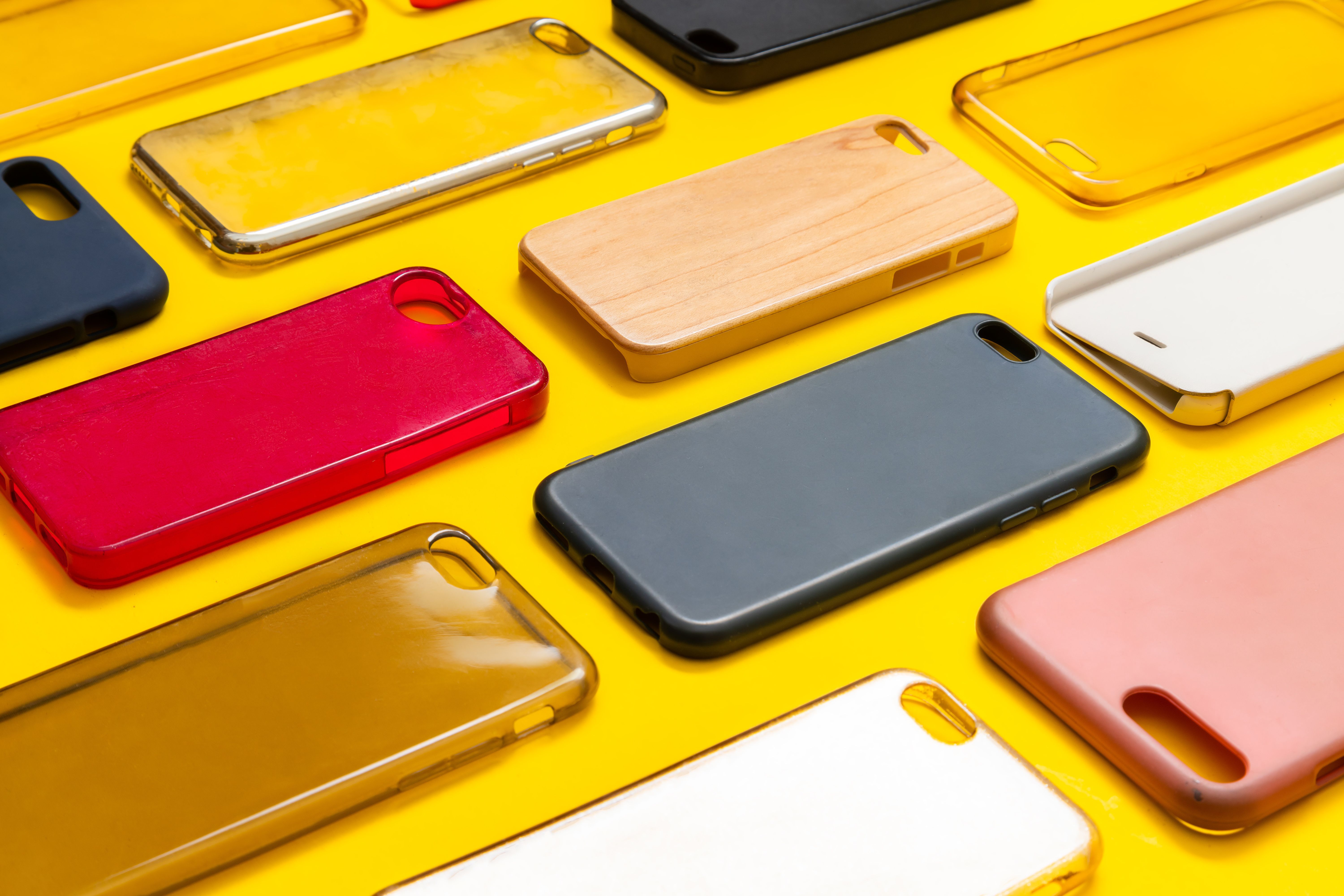
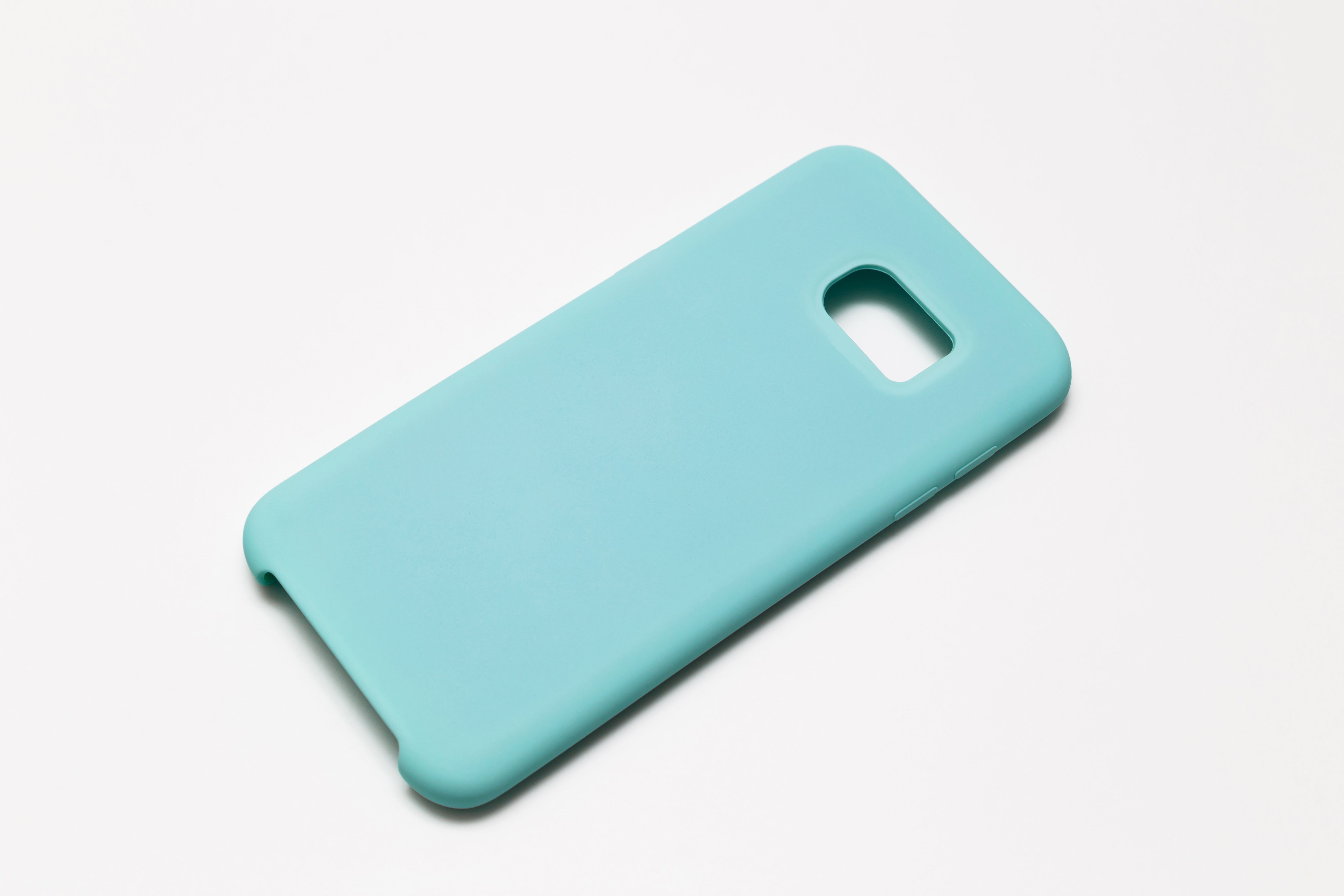
Silicone and rubber cases are among the most common materials used for phone protection. They are known for their flexibility and shock absorption qualities. If you tend to drop your phone often, these materials can provide a soft cushion that absorbs impact.
These cases are also easy to grip, reducing the chances of accidental slips. They come in a variety of colors and styles, allowing you to personalize your device. However, they may attract dust and lint over time, requiring regular cleaning.
Plastic Cases
Polycarbonate
Polycarbonate is a type of plastic that is highly durable and resistant to scratches. It offers a hard shell that can protect your phone from drops and bumps. This material is lightweight, which means it won't add much bulk to your device.
While polycarbonate cases provide excellent protection, they may not offer the same level of grip as silicone or rubber. They can be a great choice if you're looking for a sleek and sturdy option.
Thermoplastic Polyurethane (TPU)
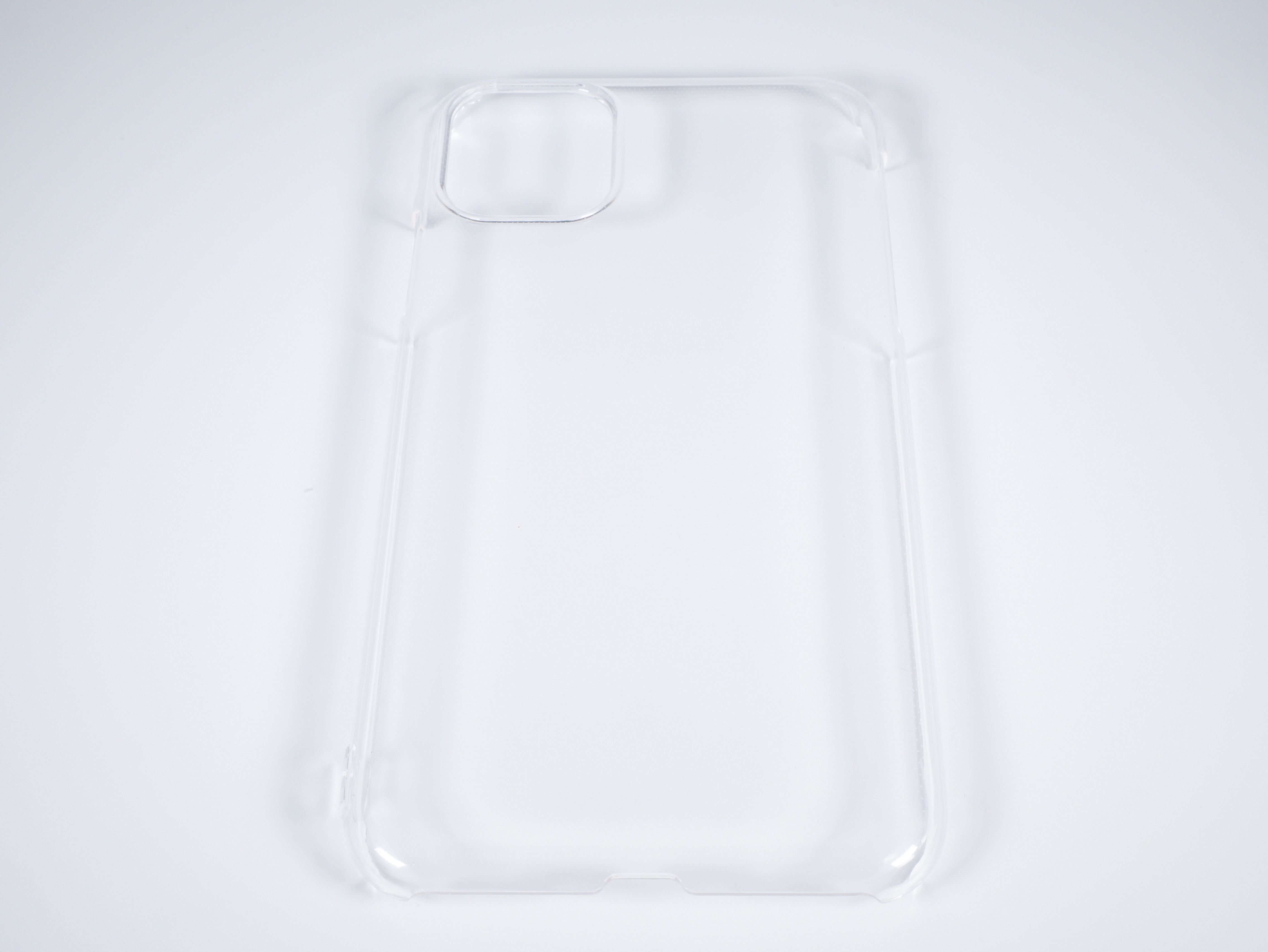
TPU is a hybrid material that combines the best of silicone and plastic. It is flexible yet strong, providing a good balance of protection and grip. TPU cases are resistant to oil, grease, and abrasion, making them a durable option.
One of the advantages of TPU is its transparency, allowing you to showcase the original design of your phone. This material is also less likely to yellow over time compared to other clear cases.
Leather Cases
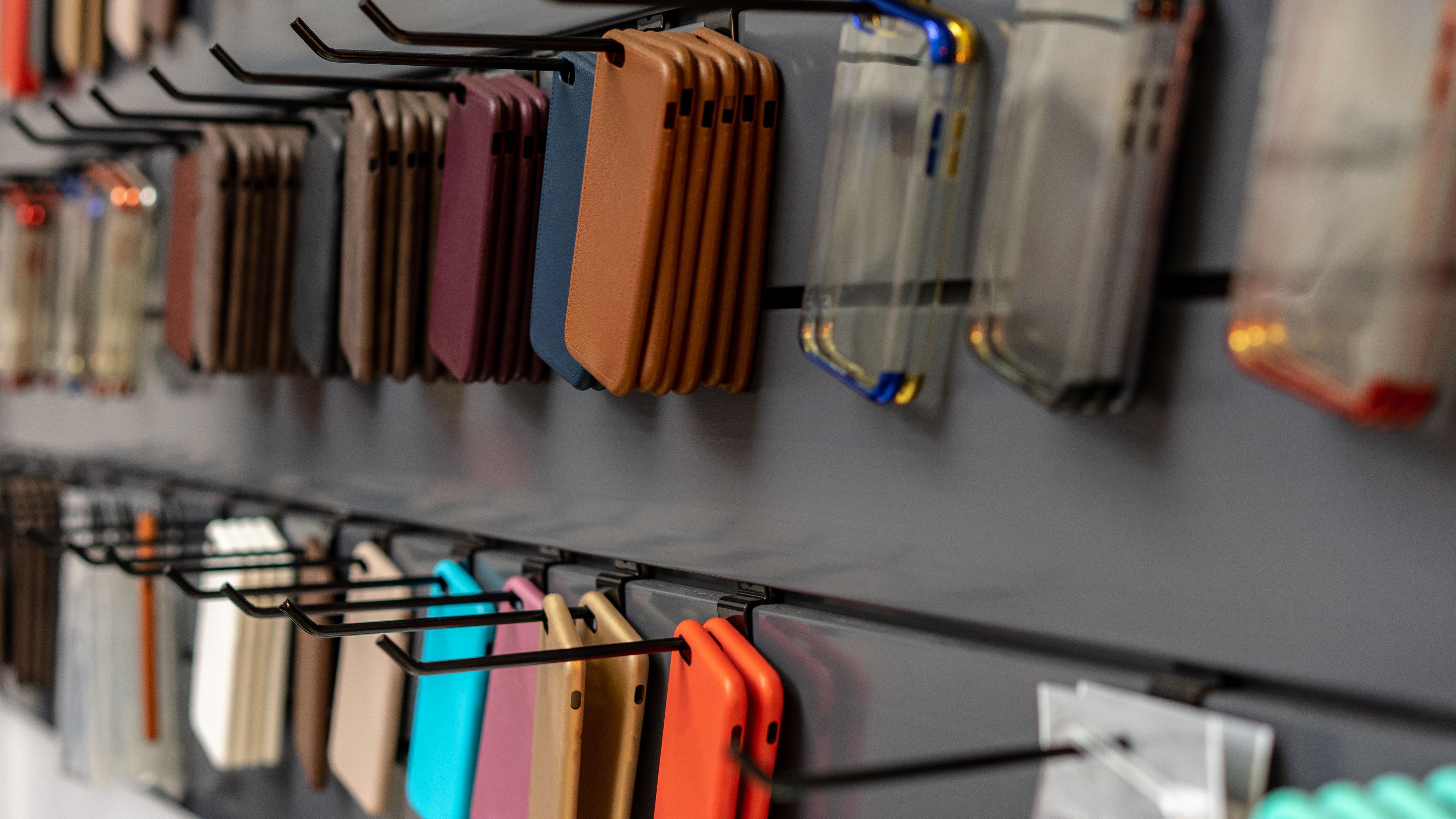
Leather cases bring a touch of elegance and sophistication to your phone. They offer a premium feel and are often chosen for their aesthetic appeal. Leather is durable and can provide a decent level of protection against scratches and minor drops.
With time, leather develops a patina that adds character to the case. Keep in mind that leather cases require regular maintenance to keep them looking their best, and they may not be as impact-resistant as other materials.
Wood and Bamboo Cases
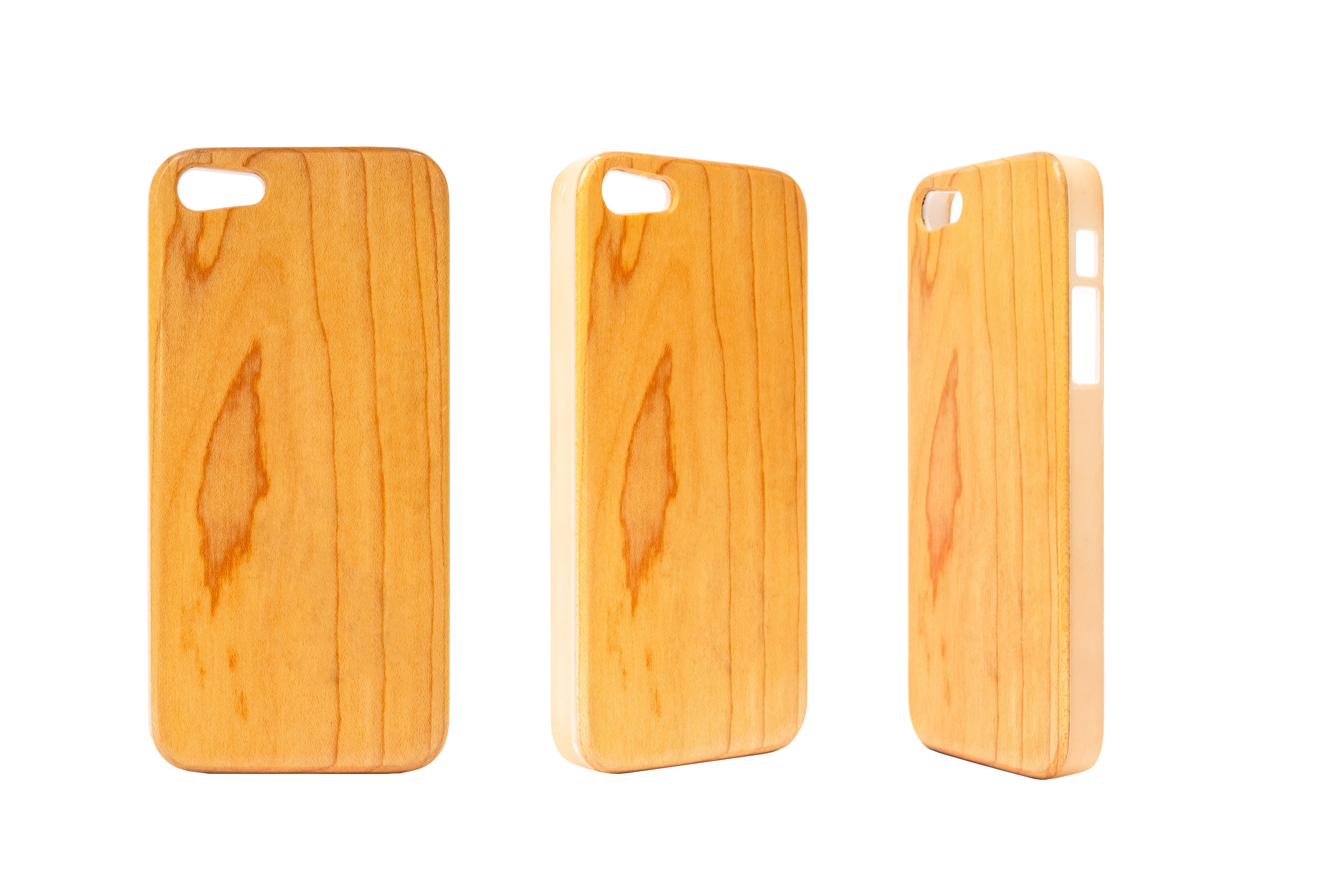
For those who prefer an eco-friendly option, wood and bamboo cases are excellent choices. These materials provide a natural and unique appearance, with no two cases looking exactly alike. They offer moderate protection and are lightweight.
Wood and bamboo cases can be more prone to wear and tear compared to synthetic materials, but they are often chosen for their environmental benefits and aesthetic charm.
Conclusion
Ultimately, the best phone case material for you depends on your personal preferences and lifestyle. Whether you prioritize protection, style, or sustainability, there is a case material that fits your needs. Consider what's most important to you and choose a material that aligns with your values and daily habits.
By understanding the pros and cons of each material, you can make an informed decision that keeps your phone safe and stylish.