Comparing Phone Case Materials: A Buyer’s Guide to Making the Right Choice


Introduction to Phone Case Materials
Choosing the right phone case can significantly impact the longevity and appearance of your device. With a wide array of materials available, each offering unique benefits and drawbacks, it's essential to understand which option best suits your needs. This guide will explore the most popular phone case materials to help you make an informed decision.

Silicone Cases
Silicone cases are a popular choice due to their flexibility and affordability. These cases offer a soft, rubbery texture that provides excellent grip, reducing the chances of accidental drops. Additionally, they are easy to clean and maintain, making them a practical option for everyday use.
Benefits of Silicone
Silicone cases are highly resistant to scratches and minor impacts. They also come in a variety of colors and designs, allowing for personalization. Another significant advantage is their ability to absorb shock, offering good protection for your phone.
Drawbacks of Silicone
While silicone cases provide decent protection, they may not be the best choice for heavy-duty protection needs. Over time, they can stretch out and may not fit as snugly as they did initially. Additionally, they might attract lint and dust, which can be annoying for some users.
Hard Plastic Cases
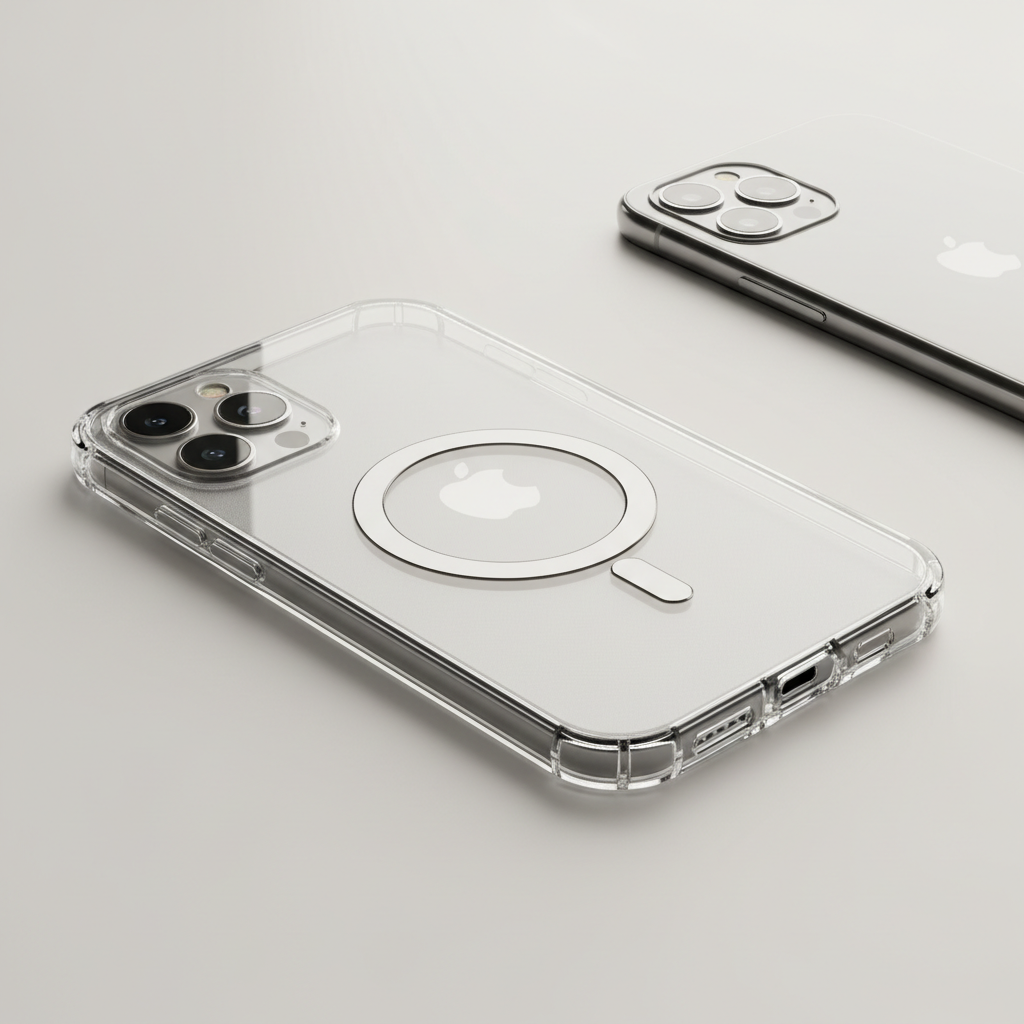
Hard plastic cases are made from materials like polycarbonate and are known for their durability and sleek appearance. These cases offer a more rigid structure compared to silicone, providing a different level of protection and style.
Benefits of Hard Plastic
These cases are lightweight and offer a slim profile, making them easy to slip into pockets and bags. They also come in an array of designs, including clear options that showcase the phone's original design. Hard plastic is resistant to scratches and provides a solid barrier against impacts.
Drawbacks of Hard Plastic
One downside is that hard plastic cases can be slippery, increasing the risk of drops. They might also crack or shatter under severe impact, potentially damaging the phone they are meant to protect. Furthermore, they often lack the shock absorption that softer materials provide.

Leather Cases
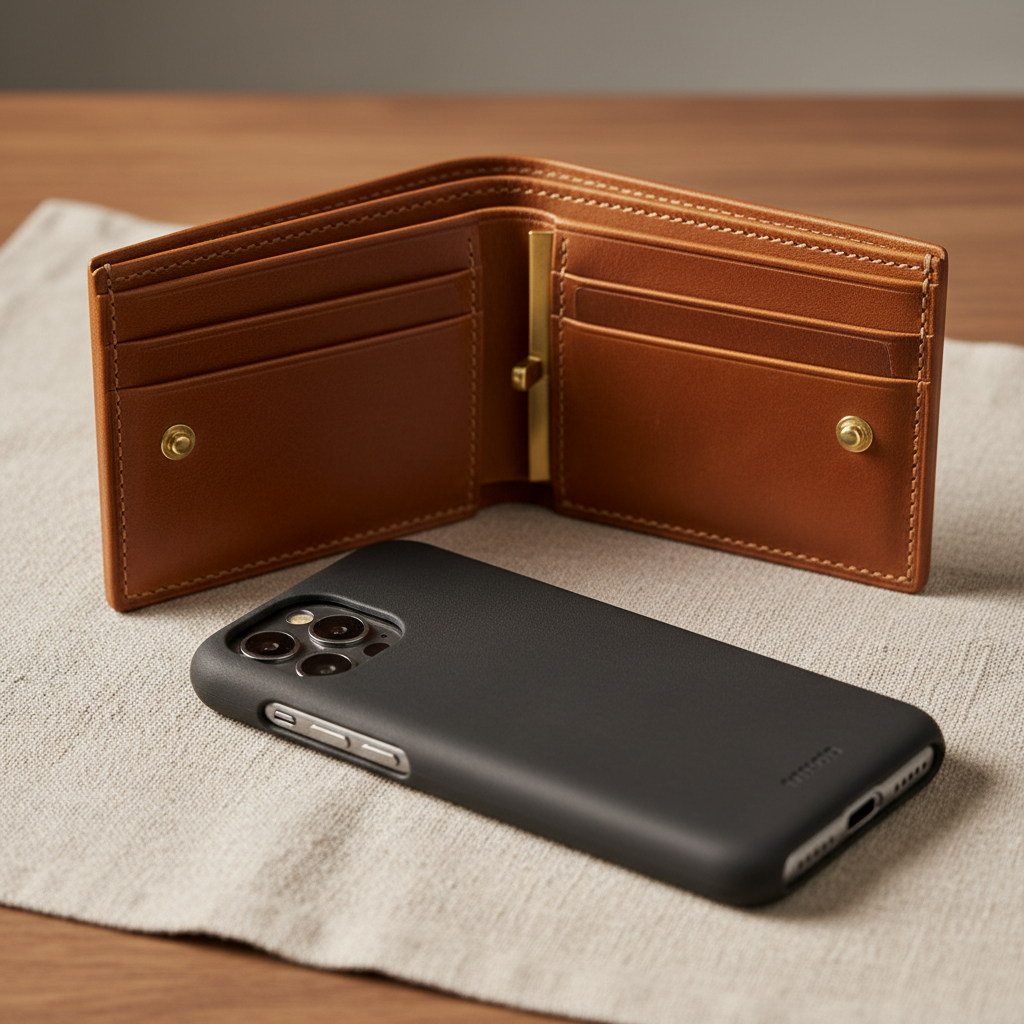
For those who prioritize style and luxury, leather cases are an attractive option. These cases offer a sophisticated look and feel, often improving with age as they develop a unique patina.
Benefits of Leather
Leather cases provide a comfortable grip and can be very durable, offering a buffer against scratches and minor impacts. They are available in various colors and styles, often including features like card slots for added functionality.
Drawbacks of Leather
Leather cases can be more expensive than other materials. They may also require more maintenance to keep them looking their best, as they are susceptible to stains and wear over time. Additionally, they may not provide the same level of drop protection as some synthetic materials.
Conclusion
When selecting a phone case, consider your lifestyle, budget, and aesthetic preferences. Whether you prioritize protection, style, or both, there is a material that fits your needs. From the flexible and affordable silicone to the luxurious leather, each option offers distinct advantages. By understanding the benefits and drawbacks of each material, you can make a well-informed decision that keeps your phone safe and stylish.