Choosing the Best Materials for Tablet Cases in Guangdong Province


Understanding the Importance of Material Selection
When it comes to manufacturing tablet cases in Guangdong Province, selecting the right materials is crucial. The materials not only determine the durability and functionality of the cases but also influence the overall appeal and marketability. Guangdong, known for its vast manufacturing capabilities, offers a wide array of material options for producing high-quality tablet cases.
Manufacturers must consider several factors when choosing materials, such as cost, availability, and environmental impact. In this competitive market, striking a balance between quality and affordability is key to success.
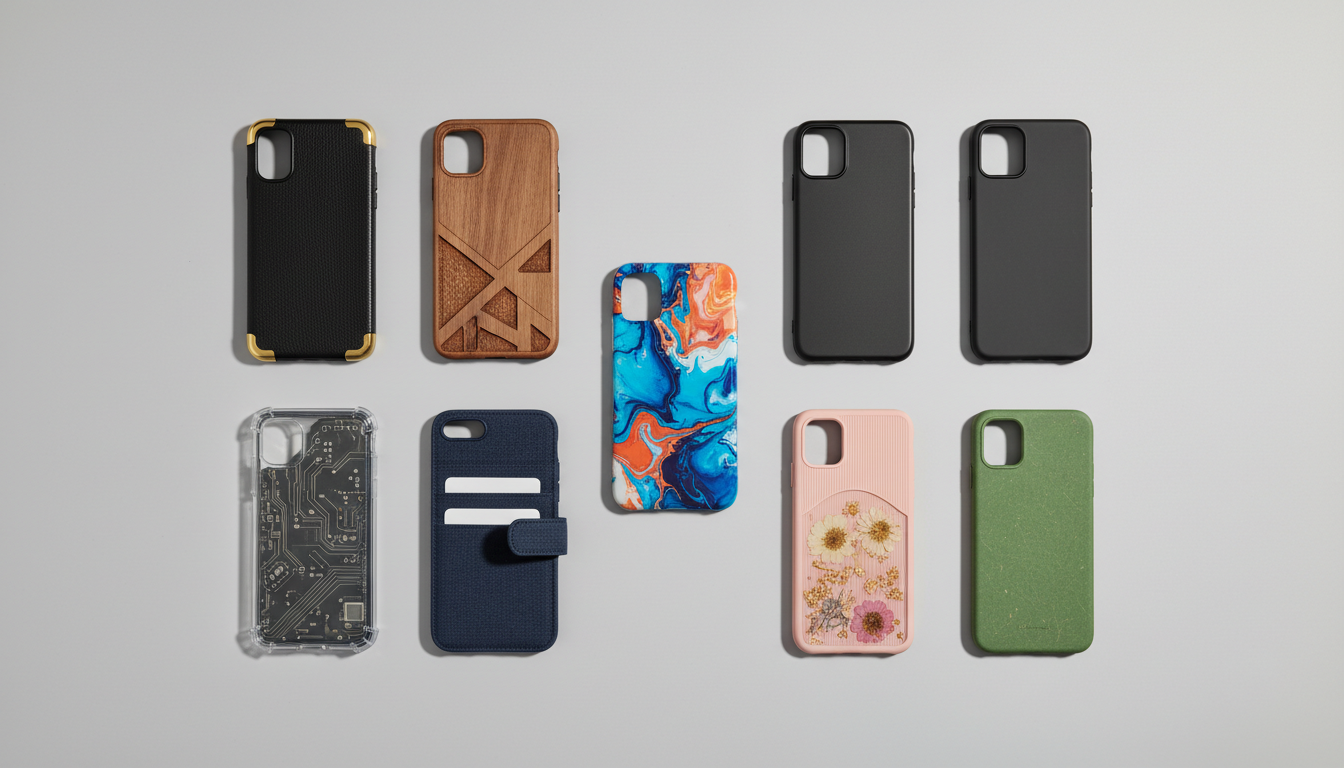
Common Materials Used in Tablet Cases
Plastic
Plastic remains one of the most popular materials due to its versatility and cost-effectiveness. It can be easily molded into various shapes and offers a wide range of colors. However, the environmental impact of plastic is a growing concern among manufacturers and consumers alike.
Silicone
Silicone is favored for its flexibility and shock-absorbing properties. It's an excellent choice for protective cases that require a soft touch. Moreover, silicone is resistant to environmental factors like UV light and chemicals, making it a durable option.

Leather
Leather cases provide a premium feel and are often associated with luxury products. They are durable and offer excellent protection against scratches and minor impacts. However, leather can be expensive and may not be suitable for all market segments.
Fabric
Fabric cases, including those made from canvas or denim, offer a unique aesthetic appeal. They are lightweight and can be customized with various patterns and textures. Fabric options are ideal for consumers looking for a stylish and personalized touch.

Advanced Material Options
Carbon Fiber
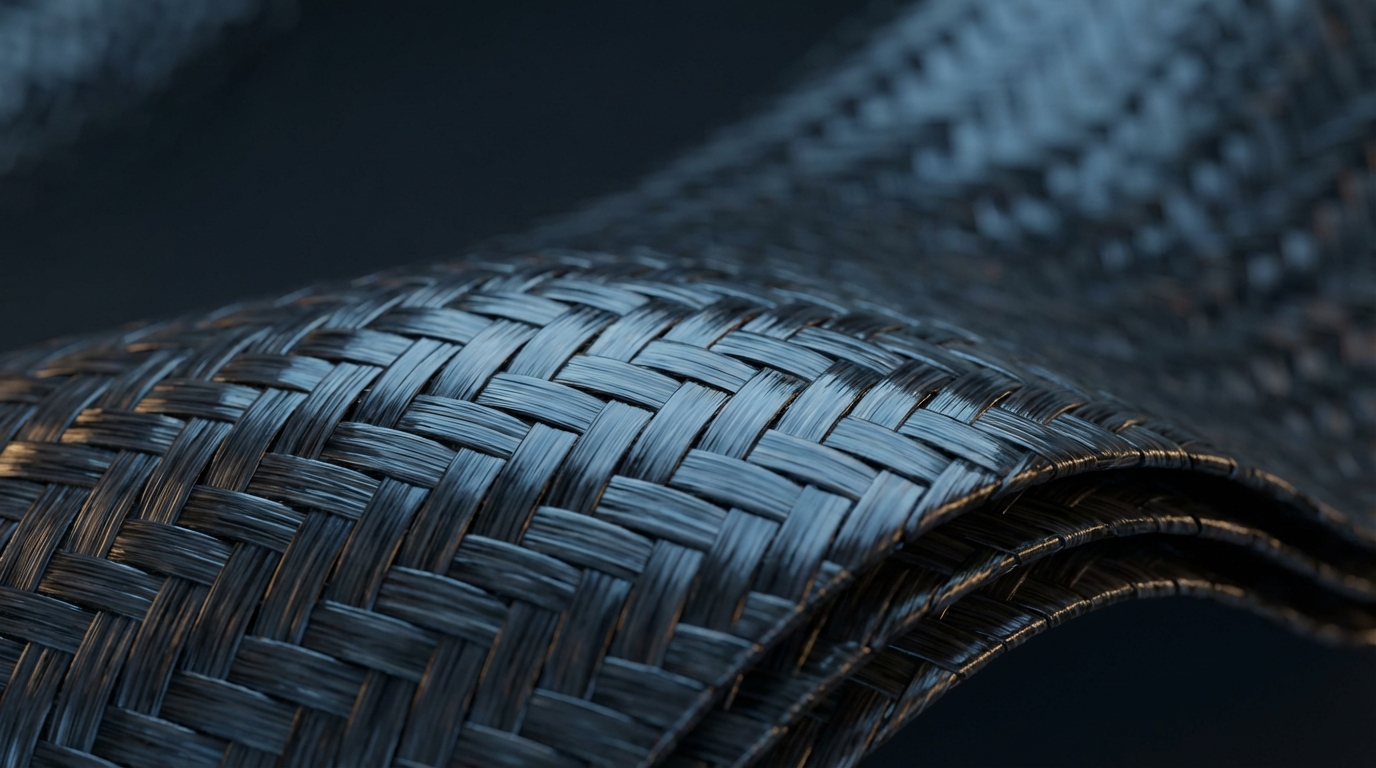
For those seeking a high-tech solution, carbon fiber is an exceptional choice. It provides superior strength and lightweight properties, making it perfect for premium tablet cases. Although more costly, carbon fiber appeals to tech-savvy consumers who value performance.
Recycled Materials
In response to environmental concerns, many manufacturers are turning to recycled materials. These sustainable options not only reduce the environmental footprint but also resonate with eco-conscious consumers. Recycled plastics and fabrics are increasingly popular in the market.
Conclusion
Choosing the best materials for tablet cases in Guangdong Province involves a careful consideration of various factors. By understanding the properties and benefits of different materials, manufacturers can create products that meet the diverse needs of consumers. Whether prioritizing cost, sustainability, or aesthetics, the right material choice can significantly enhance the product's success in a competitive market.
As the industry continues to evolve, staying informed about material innovations will be crucial for manufacturers aiming to lead in quality and sustainability. By doing so, they can tap into new opportunities and cater to an ever-growing market demand.