Case Study: How Our Custom Designs Improved Device Accessibility


Introduction
In today's digital world, accessibility is more than just a buzzword. It's a necessity. At our company, we are committed to creating designs that enhance device accessibility for all users, regardless of their physical abilities. This case study explores how our custom designs have significantly improved device accessibility and user experience.
Understanding the Challenge
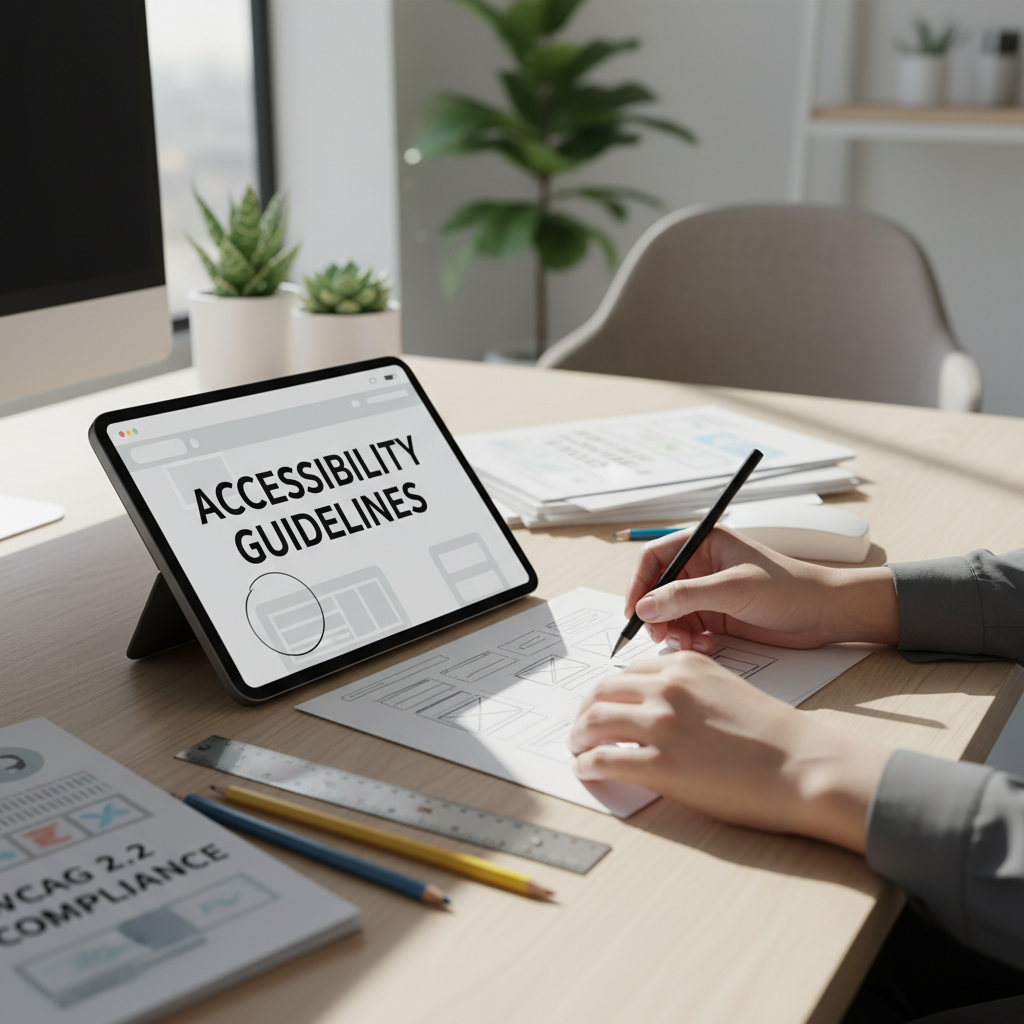
When we first engaged with our client, they faced significant challenges in making their devices accessible to a broader audience. Their interface was not user-friendly for individuals with visual impairments, and navigation was cumbersome for those relying on assistive technologies.
Identifying Key Issues
Our team conducted a comprehensive analysis to identify the primary obstacles. We found issues such as insufficient contrast, non-intuitive navigation, and lack of alternative text for images. These factors hindered users who depended on screen readers and other assistive devices.
Our Custom Design Approach
We developed a strategic plan to tackle these accessibility challenges. Our approach included the following key components:
- Enhanced Visual Contrast: We implemented high-contrast color schemes to aid users with low vision.
- Simplified Navigation: We reorganized the interface to make navigation more intuitive and seamless.
- Alternative Text for Images: We ensured that all images included descriptive alt text for screen readers.
Implementation and Testing
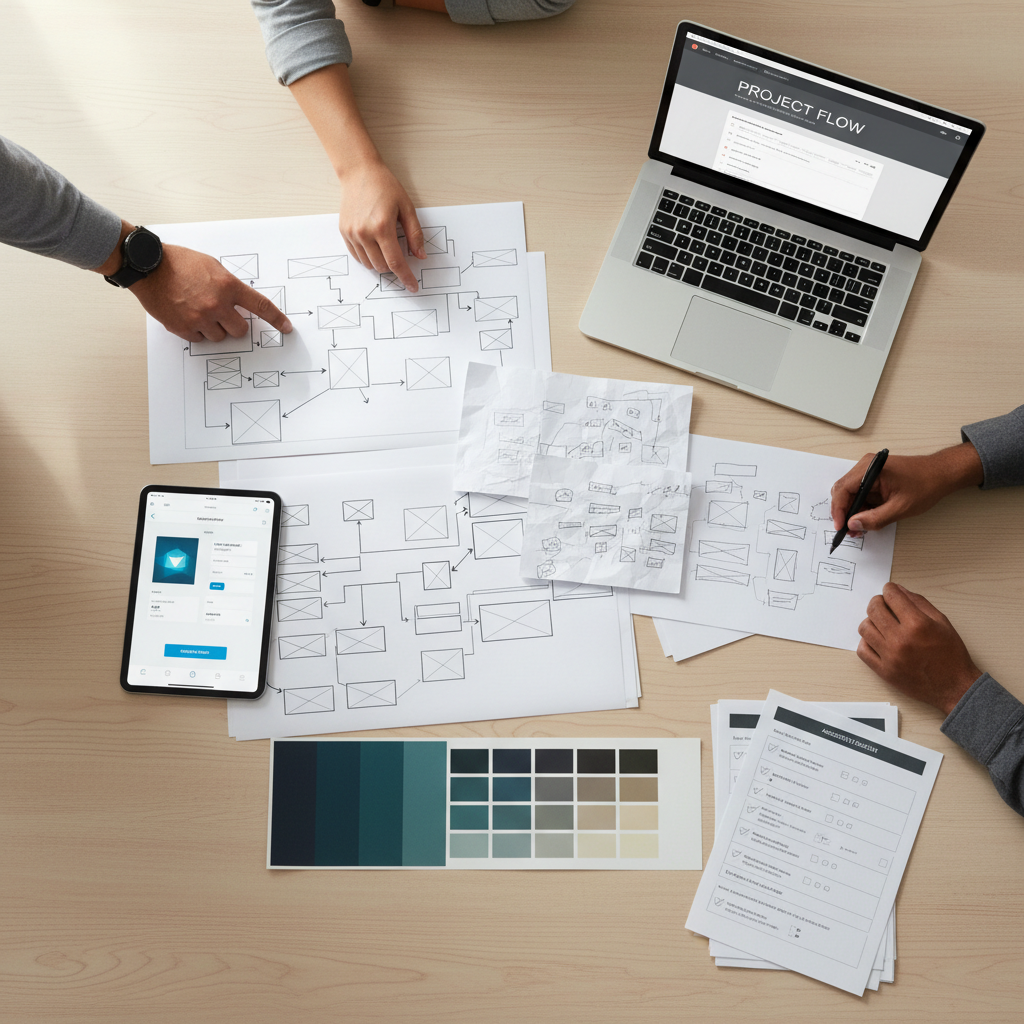
Once the design changes were finalized, we moved to the implementation phase. Our team worked closely with the client's developers to integrate the new designs. Rigorous testing was conducted with users who have various disabilities to ensure our solutions were effective.
Positive Outcomes
The results of our custom design improvements were overwhelmingly positive. Here are some of the key outcomes:
- Increased User Satisfaction: User feedback indicated a significant improvement in usability and overall satisfaction.
- Broader Audience Reach: The enhanced accessibility features allowed the client to reach a wider audience, including those with disabilities.
- Compliance with Accessibility Standards: Our solutions helped the client meet international accessibility standards, such as WCAG 2.1.
Client Testimonial
The client expressed their gratitude for our efforts. They noted that the project not only improved accessibility but also demonstrated their commitment to inclusivity. This transformation has positioned them as a leader in accessible technology.
Conclusion
Our custom designs have proven that accessibility is achievable and beneficial for all users. By prioritizing inclusive design, businesses can enhance user experience and expand their market reach. We are proud to contribute to a more accessible digital world and look forward to continuing our work in this vital area.